
Cost to Replace a Commercial HVAC System
Replacing a commercial HVAC system is one of the most significant mechanical investments a building owner or facility manager will make. Heating and cooling systems are critical to maintaining occupant comfort, equipment performance, and safe building operations, especially in regions like Southeast Michigan where temperatures fluctuate dramatically throughout the year.
However, one of the most common questions property owners ask is simple:
How much does it cost to replace a commercial HVAC system?
The answer depends on several factors, including the size of the building, the type of HVAC system installed, the complexity of the installation, and the efficiency of the equipment being used. Understanding these variables can help businesses plan for the investment and make informed decisions about their building’s mechanical systems.
Average Cost to Replace a Commercial HVAC System
Commercial HVAC replacement costs vary significantly depending on the size and complexity of the building’s mechanical system. Unlike residential systems, commercial HVAC installations are often custom designed to match the building’s layout, occupancy, and operational demands.
In general, commercial HVAC replacement projects may fall into the following ranges:
- Small commercial systems: $8,000 – $20,000 per unit
- Mid-sized commercial systems: $20,000 – $60,000+
- Large commercial systems: $60,000 – $150,000 or more
Large facilities that require multiple rooftop units, boilers, or chiller systems can see total project costs reach several hundred thousand dollars depending on equipment selection and installation requirements.
While these numbers provide a general estimate, each building requires a detailed system evaluation to determine accurate pricing.
Factors That Affect Commercial HVAC Replacement Cost
Building Size and Heating/Cooling Load
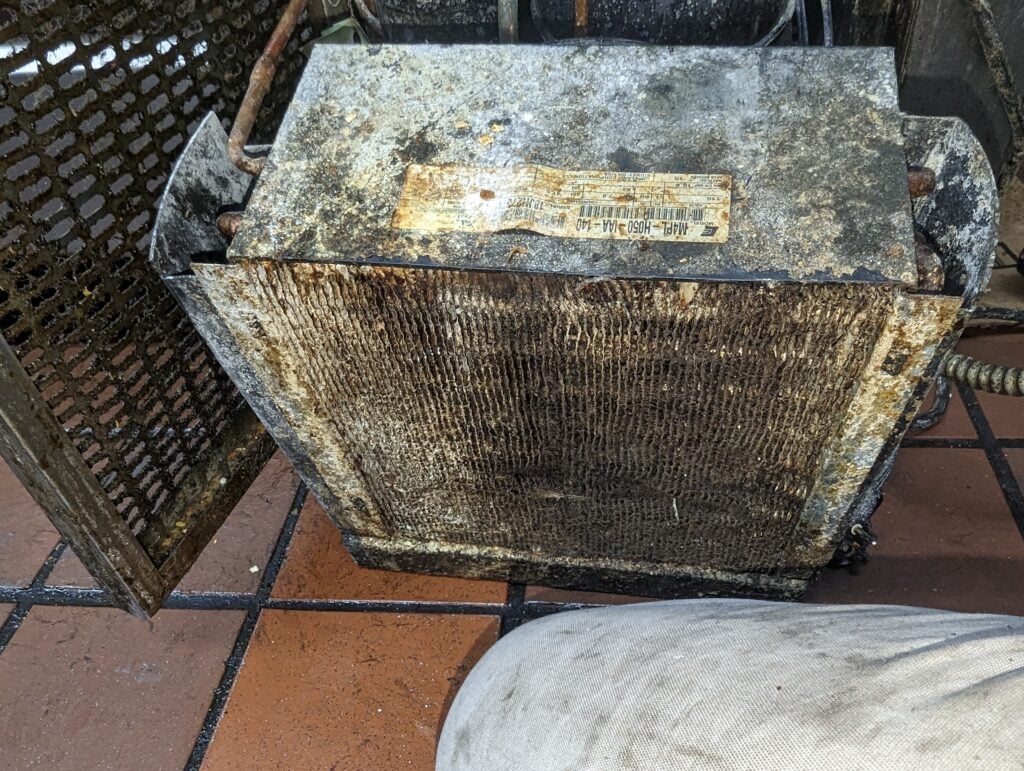
The size of the building and the amount of heating or cooling required are among the most important cost factors. Larger buildings require higher capacity equipment, additional ductwork, and sometimes multiple HVAC units to maintain consistent temperatures throughout the facility.
HVAC professionals perform load calculations to determine the appropriate system size based on:
- Square footage
- Insulation levels
- Window efficiency
- Occupancy levels
- Internal equipment heat loads
Installing equipment that is properly sized for the building ensures both efficiency and reliability.
Installation Complexity and Labor Costs
Installation costs can vary significantly depending on the building’s infrastructure and accessibility.
Some factors that may increase installation costs include:
- Crane service required for rooftop units
- Structural roof modifications
- Electrical system upgrades
- Ductwork replacement or modifications
- Limited mechanical room access
- Compliance with updated building codes
Older buildings may require additional modifications to accommodate modern HVAC equipment. These adjustments can add to the overall cost but often improve long-term system efficiency.
Energy Efficiency and Equipment Technology
Newer HVAC systems are designed with energy efficiency in mind. High-efficiency equipment may have a higher upfront cost, but it often reduces operating expenses over time.
Modern systems may include:
- Variable-speed compressors
- Advanced heat exchanger technology
- Smart thermostat integration
- Building automation compatibility
- Improved airflow and temperature control
These features help commercial buildings reduce energy consumption while improving occupant comfort.
Many businesses find that the long-term energy savings offset the initial investment in higher-efficiency equipment.
Signs It May Be Time to Replace Your Commercial HVAC System
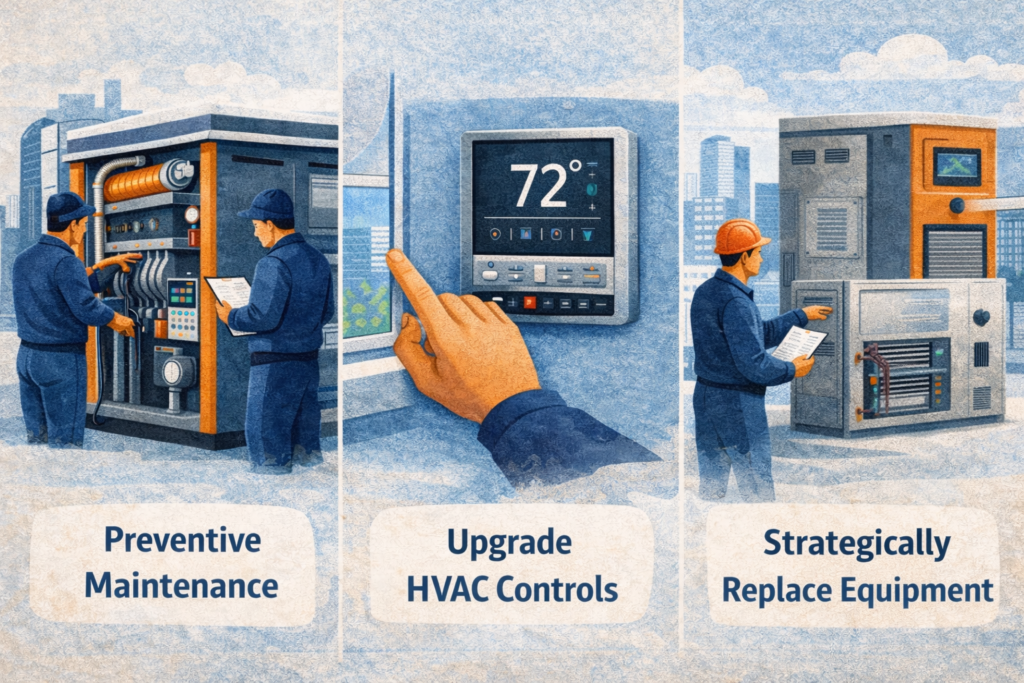
Many building owners delay replacing HVAC systems until a major failure occurs. However, waiting too long can lead to increased repair costs and operational disruptions.
Signs that replacement may be necessary include:
- Frequent HVAC breakdowns
- Rising energy bills
- Inconsistent indoor temperatures
- Poor airflow or ventilation
- Equipment that is more than 15–20 years old
- Difficulty sourcing replacement parts
If your HVAC system requires constant repairs or struggles to maintain comfort, replacement may be the most cost-effective solution.
Benefits of Replacing an Aging Commercial HVAC System
While the upfront cost of HVAC replacement can be significant, upgrading to a modern system offers several long-term advantages.
Lower Energy Costs
New equipment operates more efficiently, reducing monthly heating and cooling expenses.
Improved Reliability
Modern HVAC systems experience fewer breakdowns and require less emergency maintenance.
Better Indoor Comfort
Updated systems provide more consistent temperatures and improved airflow throughout the building.
Increased Property Value
Efficient mechanical systems can increase the value and appeal of commercial properties.
Planning a Commercial HVAC Replacement
Proper planning can help businesses reduce disruption and manage costs when replacing HVAC equipment.
Building owners should consider the following steps:
- Schedule a professional system evaluation
- Review energy efficiency options
- Compare equipment types and system designs
- Plan installation during off-peak seasons
- Establish a preventive maintenance program for the new system
Working with an experienced commercial HVAC contractor ensures that the system is properly sized, installed correctly, and optimized for long-term performance.
Commercial HVAC Replacement in Southeast Michigan
Commercial buildings in Michigan face demanding weather conditions that place heavy strain on heating and cooling systems.
JF Jacobs provides commercial HVAC installation, repair, and replacement services for businesses throughout Livonia, Metro Detroit, and Southeast Michigan.
Our team works with facility managers and property owners to design HVAC systems that balance energy efficiency, reliability, and long-term operating costs.
Schedule a Commercial HVAC Evaluation
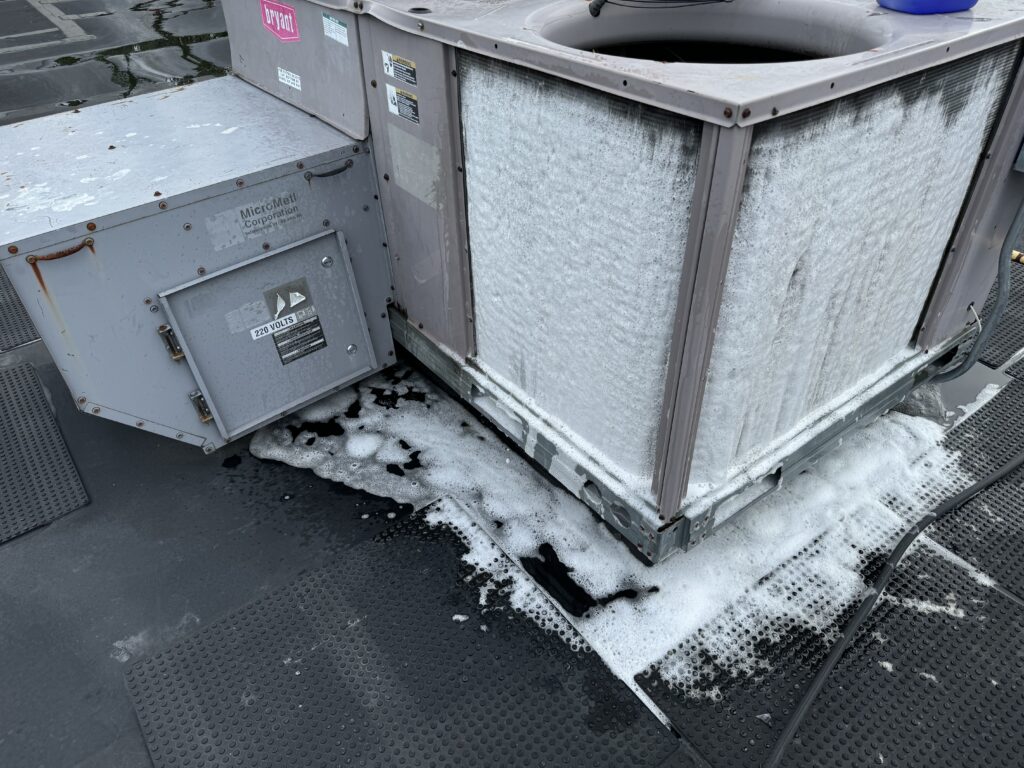
If your HVAC system is aging, inefficient, or requiring frequent repairs, it may be time to explore replacement options.
A professional evaluation can help determine the best system for your building and provide a clear understanding of replacement costs.
Contact JF Jacobs today to schedule a commercial HVAC assessment and learn how modern HVAC equipment can improve your building’s comfort and efficiency.