
What Is the Average Lifespan of a Commercial HVAC System?
When you’re managing a commercial property, your HVAC system isn’t just another piece of equipment—it’s one of the most critical systems in your building. It impacts comfort, operational efficiency, energy costs, and even tenant satisfaction. One of the most common questions facility managers and building owners ask is simple: how long should a commercial HVAC system actually last?
The answer isn’t one-size-fits-all. The average lifespan of a commercial HVAC system depends heavily on the type of equipment, how it’s used, and how well it’s maintained over time. Understanding these factors is key to planning ahead, avoiding unexpected failures, and making smarter long-term decisions.
Average Lifespan by System Type
Not all HVAC systems age the same way. Different components have different lifespans based on their workload and design.
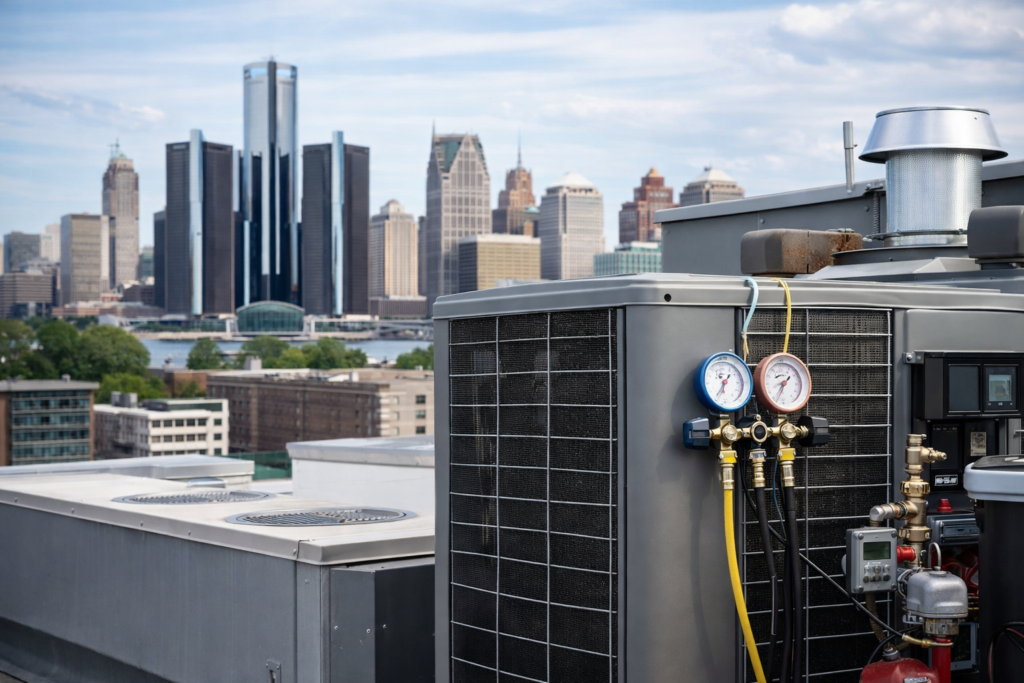
Rooftop units (RTUs), which are one of the most common systems used in commercial buildings, typically last between 15 to 20 years when properly maintained. These systems are exposed to outdoor elements year-round, which can accelerate wear if maintenance is inconsistent.
Commercial boilers often have a longer lifespan, usually ranging from 20 to 30 years. However, this depends heavily on water quality, system pressure, and how frequently the system cycles during colder months—especially in climates like Southeast Michigan where heating demand is high.
Chillers, commonly used in larger facilities, tend to last between 20 to 25 years. Because they are often part of more complex systems, their longevity depends not only on maintenance but also on how well the entire system is balanced and operated.
Air handling units and ventilation systems can last 15 to 25 years, but components like motors, belts, and controls may need replacement much sooner.
What Impacts HVAC System Lifespan
The lifespan of a commercial HVAC system isn’t just about age—it’s about conditions. Two identical systems installed in different buildings can have completely different lifespans based on how they’re used and maintained.
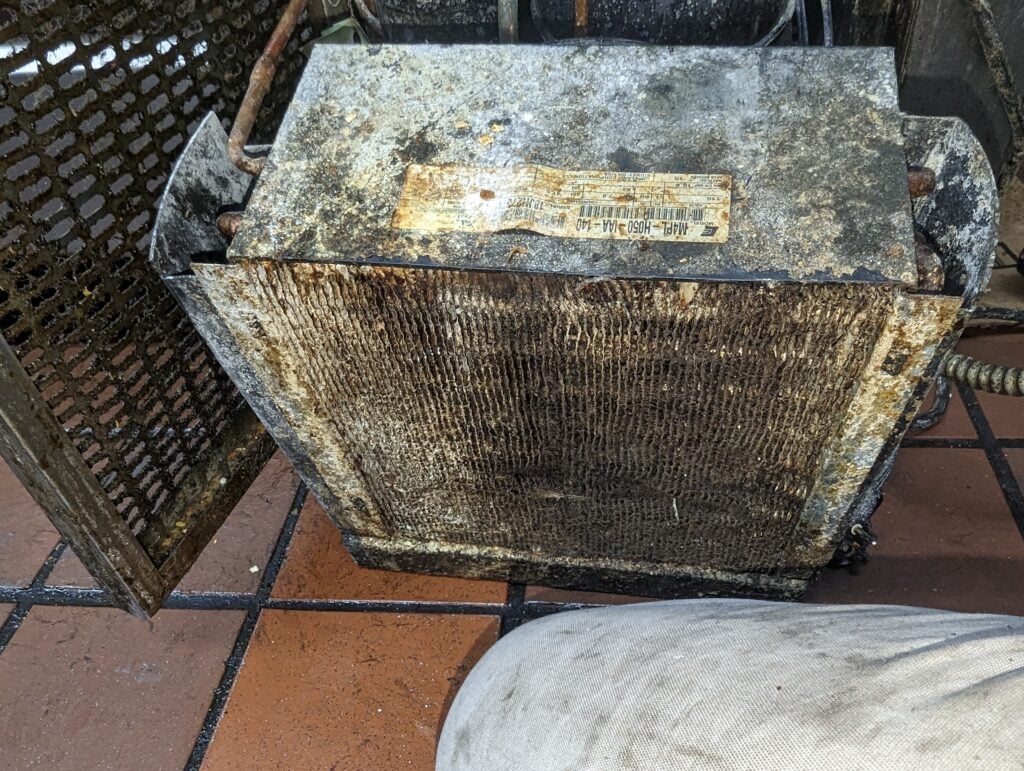
Maintenance is the single biggest factor. Systems that receive regular inspections, filter changes, coil cleaning, and performance tuning consistently last longer and operate more efficiently. Neglected systems, on the other hand, tend to fail earlier and cost more to operate long before they completely break down.
Usage also plays a major role. A system running 24/7 in a manufacturing facility will experience significantly more wear than one used during standard business hours in an office building. High-demand environments naturally shorten equipment lifespan if not properly managed.
Environmental conditions matter as well. In areas like Livonia and Detroit, HVAC systems must handle cold winters, humid summers, and seasonal transitions. Exposure to outdoor elements, temperature swings, and moisture can all contribute to system degradation over time.
System sizing and installation quality are often overlooked but critical. An improperly sized system—whether too large or too small—will cycle inefficiently, increasing wear and reducing lifespan. Poor installation can also lead to airflow issues, strain on components, and long-term performance problems.
Signs Your HVAC System Is Nearing the End of Its Life
Even a well-maintained system won’t last forever. The key is recognizing when your equipment is starting to decline so you can plan ahead instead of reacting to an emergency.
One of the most common signs is an increase in repair frequency. If you’re calling for service more often than usual, it’s usually an indication that components are wearing out and the system is becoming less reliable.
Rising energy costs are another major indicator. As systems age, they lose efficiency and require more energy to maintain the same level of performance. If your utility bills are climbing without a clear explanation, your HVAC system may be the cause.
Inconsistent temperatures, poor airflow, or difficulty maintaining setpoints can also signal that your system is struggling to perform. These issues often show up before complete system failure.
Unusual noises, vibration, or longer run times are additional warning signs that something isn’t operating the way it should.
Repair vs. Replace: When Does It Make Sense?
At a certain point, continuing to repair an aging HVAC system stops being cost-effective. The decision to repair or replace typically comes down to a combination of age, performance, and long-term cost.
If your system is approaching the upper end of its expected lifespan and requires frequent repairs, replacement is often the better investment. New systems offer improved energy efficiency, better performance, and reduced maintenance costs.
On the other hand, if the system is relatively newer and the issue is isolated, a repair may still make sense. The key is evaluating the total cost of ownership—not just the immediate repair cost.
Many facility managers use a simple rule: if a repair costs a significant percentage of the system’s remaining value, it’s time to start planning for replacement.
How to Extend the Life of Your HVAC System
While every system will eventually need to be replaced, there are clear steps you can take to maximize its lifespan and get the most value from your investment.
Consistent preventive maintenance is the most effective strategy. Regular inspections help identify small issues before they turn into major failures, while routine cleaning and adjustments keep the system operating efficiently.
Upgrading controls and optimizing system performance can also extend lifespan by reducing unnecessary strain on components. Modern control systems allow for better scheduling, load management, and energy efficiency.
Addressing airflow issues, ductwork problems, and system imbalances can prevent long-term damage and improve overall performance.
Finally, working with an experienced commercial HVAC contractor ensures your system is properly maintained, diagnosed, and optimized over time.
Planning Ahead for HVAC Replacement
One of the biggest mistakes building owners make is waiting until a system fails before considering replacement. Emergency replacements are almost always more expensive, more disruptive, and more stressful than planned upgrades.
By understanding the expected lifespan of your system and monitoring its performance, you can begin planning for replacement before failure occurs. This allows you to budget appropriately, explore energy-efficient options, and schedule installation at a time that minimizes disruption to your operations.
Commercial HVAC Services in Livonia & Southeast Michigan
At JF Jacobs, we work with commercial clients throughout Livonia, Detroit, and Southeast Michigan to maintain, repair, and replace HVAC systems across a wide range of industries. Whether your system is nearing the end of its lifespan or you’re looking to improve performance and efficiency, our team provides practical recommendations based on real-world system conditions.
Schedule a Commercial HVAC Evaluation
If you’re unsure how much life your current HVAC system has left, the best next step is a professional evaluation.
JF Jacobs can assess your system, identify potential issues, and help you plan for repairs, upgrades, or replacement—before problems turn into costly downtime.
Contact us today to schedule your commercial HVAC service.