
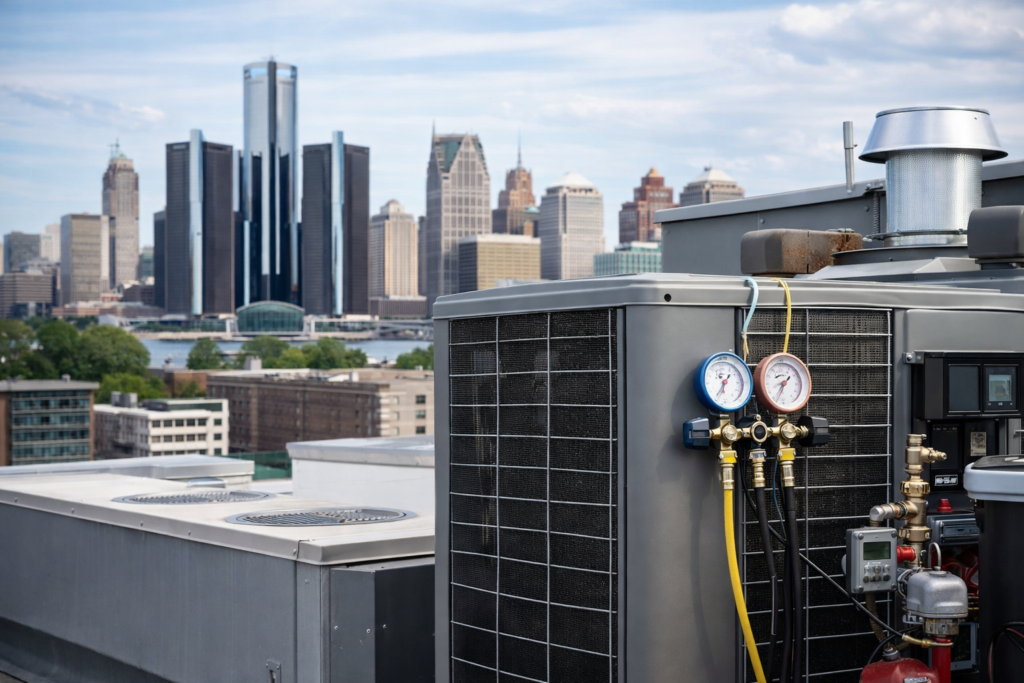
Top Refrigeration Maintenance Tips for Restaurants and Supermarkets
Keep Your Systems Efficient, Prevent Breakdowns & Protect Your Inventory
Refrigeration equipment works harder than most systems in your building. It runs continuously, handles heavy loads, and must maintain strict temperature ranges for food safety and compliance.
Poor maintenance can lead to:
- Product loss due to temperature fluctuations
- Increased energy consumption
- Compressor failure and major repairs
- Health code violations
- Unexpected downtime during peak business hours
Routine maintenance helps ensure consistent performance while protecting your bottom line.
1. Clean Condenser Coils Regularly
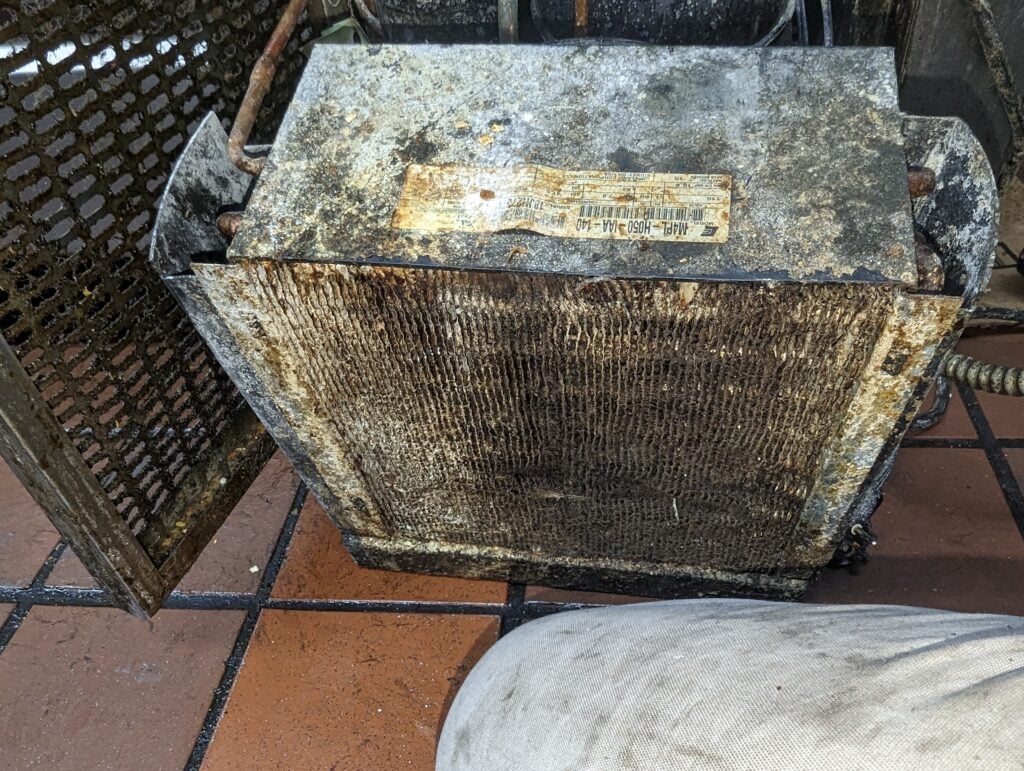
Dirty condenser coils are one of the most common causes of refrigeration system failure.
When coils become clogged with dust, grease, or debris, the system has to work harder to release heat. This leads to:
- Higher energy usage
- Overheating components
- Reduced cooling efficiency
- Increased risk of system failure
Best Practice:
Clean condenser coils at least every 30–90 days, depending on your environment. Kitchens and grocery environments may require more frequent cleaning due to grease and airborne particles.
2. Monitor Temperature Consistency Daily
Maintaining consistent temperatures is critical for both food safety and system performance.
Temperature fluctuations can indicate underlying issues such as:
- Refrigerant leaks
- Failing compressors
- Airflow restrictions
- Door seal problems
Best Practice:
- Check and log temperatures daily
- Use digital monitoring systems when possible
- Address inconsistencies immediately
For most applications:
- Refrigerators should stay between 35°F–38°F
- Freezers should stay at 0°F or below
3. Inspect Door Seals & Gaskets
Damaged or worn door gaskets allow warm air to enter your refrigeration system, forcing it to work harder to maintain temperature.
This leads to:
- Increased energy costs
- Temperature instability
- Frost buildup in freezers
- Premature equipment wear
Best Practice:
- Inspect door seals regularly for cracks or gaps
- Replace damaged gaskets immediately
- Ensure doors close tightly and properly
4. Keep Evaporator Coils Clean
Evaporator coils play a key role in absorbing heat and maintaining proper cooling inside the unit.
When coils become dirty or blocked:
- Airflow is restricted
- Cooling efficiency drops
- Ice buildup can occur
- Systems may short cycle or overwork
Best Practice:
Schedule regular professional cleaning and ensure airflow around coils is not obstructed.
5. Check Refrigerant Levels
Low refrigerant levels can severely impact system performance and lead to compressor damage if left unresolved.
Signs of refrigerant issues include:
- Warm product temperatures
- Longer run times
- Ice buildup on coils
- Hissing or bubbling sounds
Best Practice:
Only licensed professionals should check and recharge refrigerant levels. If you suspect an issue, schedule service immediately.
6. Schedule Preventive Maintenance
Routine professional maintenance is the most effective way to prevent major refrigeration failures.
A comprehensive maintenance program typically includes:
- Full system inspections
- Electrical component testing
- Refrigerant checks
- Coil cleaning
- Airflow verification
- Performance optimization
Why It Matters:
Preventive maintenance helps catch small issues early before they become expensive problems.
7. Avoid Overloading Refrigeration Units
Overloading your refrigeration system restricts airflow and makes it harder to maintain consistent temperatures.
This can lead to:
- Uneven cooling
- Product spoilage
- Increased strain on the system
Best Practice:
- Avoid blocking air vents
- Store items with proper spacing
- Follow manufacturer loading guidelines
8. Maintain Proper Airflow Around Equipment
efrigeration systems need proper ventilation to operate efficiently.
Blocked airflow can cause:
- Overheating
- Reduced efficiency
- Increased wear on components
Best Practice:
- Keep units away from walls when required
- Ensure vents and fans are unobstructed
- Maintain clear space around equipment
9. Train Staff on Basic Maintenance Awareness
Your staff interacts with refrigeration equipment every day. Training them to recognize early warning signs can prevent major issues.
Staff should be aware of:
- Unusual noises
- Temperature inconsistencies
- Doors not sealing properly
- Ice buildup or leaks
Early detection often prevents costly repairs.
10. Plan for Equipment Replacement
Even with proper maintenance, refrigeration systems have a limited lifespan.
Typical lifespans:
- Walk-in coolers/freezers: 10–15 years
- Reach-in units: 8–12 years
- Ice machines: 7–10 years
If your equipment is aging and requiring frequent repairs, it may be more cost-effective to plan for replacement.
Commercial HVAC Services in Livonia & Southeast Michigan
At JF Jacobs, we work with commercial clients throughout Livonia, Detroit, and Southeast Michigan to maintain, repair, and replace HVAC systems across a wide range of industries. Whether your system is nearing the end of its lifespan or you’re looking to improve performance and efficiency, our team provides practical recommendations based on real-world system conditions.
Signs Your Refrigeration System Needs Service
Watch for these warning signs:
- Inconsistent temperatures
- Rising energy bills
- Excessive frost or ice buildup
- Loud or unusual noises
- Water leaks or condensation
- Frequent cycling on/off
If you notice any of these, it’s time to schedule professional service.
Refrigeration maintenance isn’t just about preventing breakdowns—it’s about protecting your inventory, maintaining food safety, and keeping your business running without interruption.
By following these best practices and investing in preventive maintenance, restaurants and supermarkets can reduce costs, extend equipment lifespan, and avoid unexpected disruptions.
Contact us today to schedule your commercial HVAC service.