
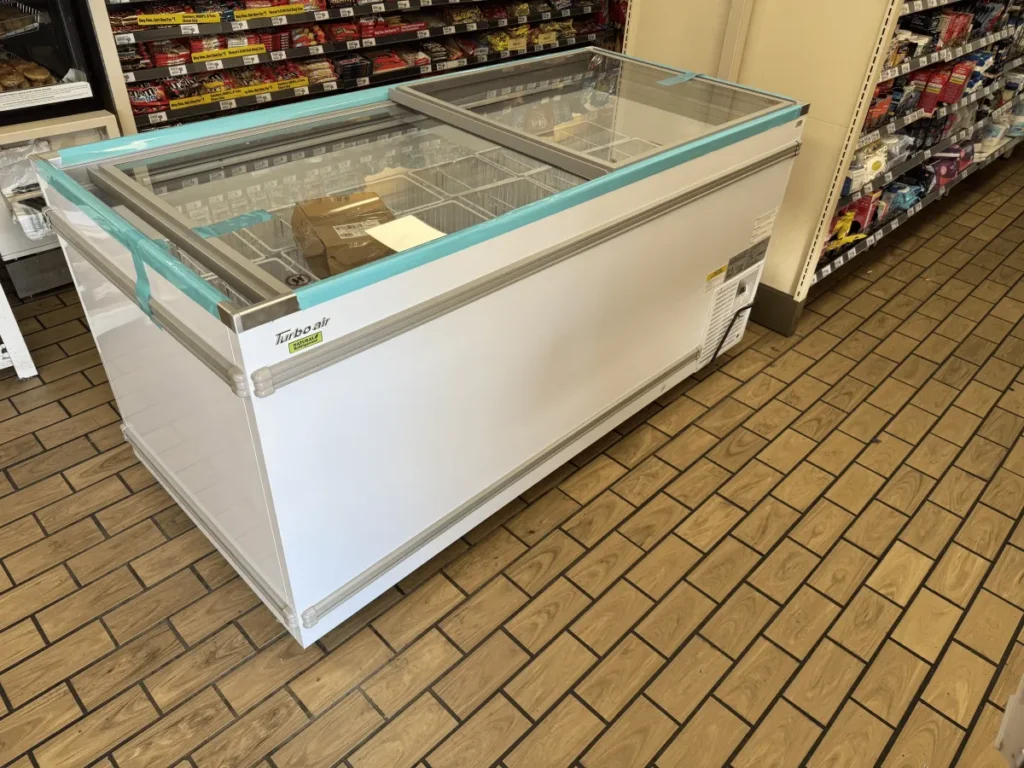
The Role of Refrigeration Efficiency in Reducing Energy Costs
How Efficient Commercial Refrigeration Systems Help Businesses Lower Operating Expenses
Commercial refrigeration systems operate around the clock, making them one of the largest consumers of energy in restaurants, grocery stores, supermarkets, healthcare facilities, schools, convenience stores, and food service operations. Even small declines in refrigeration efficiency can lead to higher utility bills, increased wear on equipment, and more frequent repairs.
For many businesses, refrigeration isn’t just another utility expense—it’s a critical investment that directly affects profitability.
Improving refrigeration efficiency helps businesses lower operating costs while extending equipment lifespan, improving temperature consistency, protecting valuable inventory, and reducing the likelihood of unexpected breakdowns.
Whether you operate a single walk-in cooler or manage multiple refrigeration systems across several locations, understanding how refrigeration efficiency impacts your energy usage can help you make smarter long-term decisions for your business.
Why Refrigeration Efficiency Matters
Unlike many other commercial building systems, refrigeration equipment rarely shuts off completely. Walk-in coolers, freezers, display cases, prep tables, and ice machines often run continuously to maintain safe storage temperatures.
Because these systems operate every hour of every day, even minor inefficiencies can have a significant impact on monthly utility costs.
An inefficient refrigeration system may:
- Consume more electricity
- Cycle more frequently
- Struggle to maintain proper temperatures
- Place additional strain on compressors
- Increase repair frequency
- Shorten equipment lifespan
Improving efficiency doesn’t always require replacing your equipment. In many cases, routine maintenance and minor system adjustments can significantly reduce energy consumption while improving overall performance.
Common Causes of Refrigeration Inefficiency
Commercial refrigeration systems naturally lose efficiency over time if they are not properly maintained.
Several common issues can force equipment to work harder than necessary.
Dirty Condenser Coils
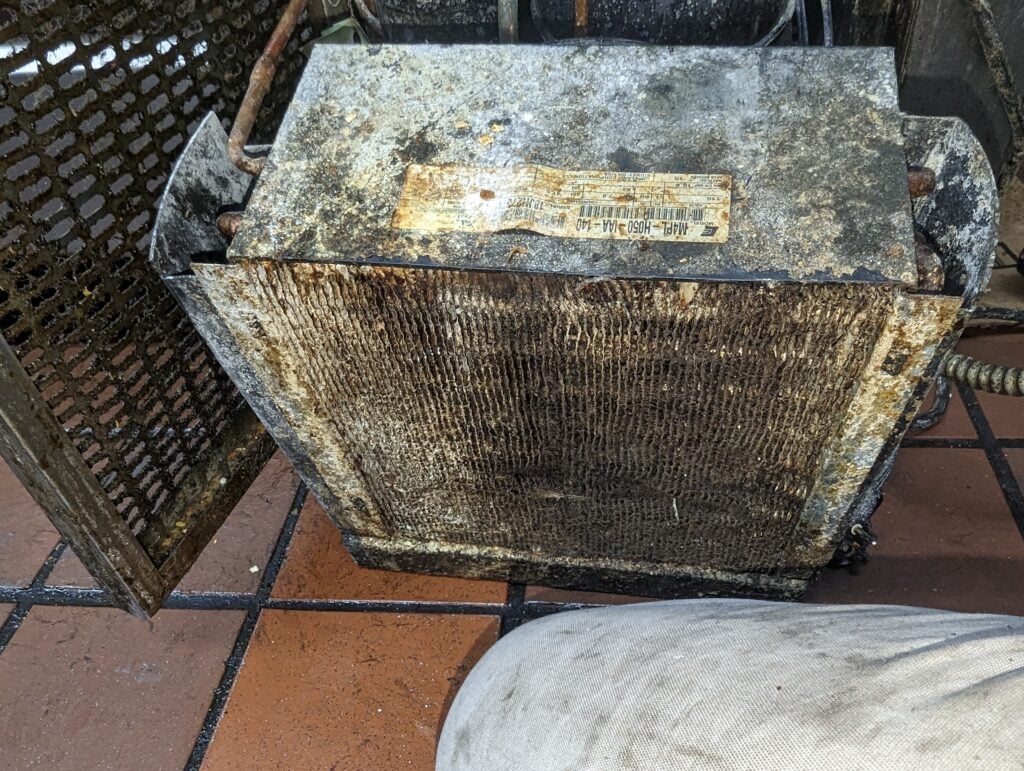
Condenser coils release heat from the refrigeration system. When dirt, grease, dust, or debris accumulates on the coils, heat cannot dissipate efficiently.
As a result, compressors must run longer to maintain proper temperatures, increasing both energy consumption and equipment wear.
Routine coil cleaning is one of the simplest ways to improve refrigeration efficiency.
Worn Door Gaskets
Damaged or worn door seals allow warm air to enter refrigerated spaces.
This forces refrigeration equipment to cycle more frequently while making it difficult to maintain consistent temperatures.
Replacing worn gaskets helps improve efficiency while protecting stored inventory.
Refrigerant Leaks
Low refrigerant levels reduce cooling capacity and force compressors to work harder.
Signs of refrigerant issues include:
- Poor cooling performance
- Longer run times
- Ice buildup
- Inconsistent temperatures
- Higher energy bills
Professional inspections help identify refrigerant problems before they lead to compressor damage.
Poor Airflow
Blocked evaporator coils, obstructed vents, or improperly organized inventory can restrict airflow throughout refrigeration equipment.
Poor airflow prevents consistent cooling while increasing system workload.
Maintaining proper airflow improves both efficiency and temperature consistency.
Preventative Maintenance Improves Energy Efficiency
One of the most effective ways to reduce refrigeration energy costs is through routine preventative maintenance.
Professional maintenance helps identify small issues before they become expensive repairs while ensuring every component operates efficiently.
Preventative maintenance typically includes:
- Condenser coil cleaning
- Evaporator inspections
- Refrigerant level checks
- Electrical testing
- Thermostat calibration
- Fan motor inspections
- Drain line cleaning
- Door gasket inspections
- Compressor performance evaluations
Businesses that invest in preventative maintenance often experience lower utility costs, fewer emergency repairs, and longer equipment life.

Energy-Efficient Refrigeration Equipment
Modern commercial refrigeration systems are significantly more energy efficient than equipment installed 15 or 20 years ago.
New refrigeration technology often includes:
- High-efficiency compressors
- Improved insulation
- Electronically controlled expansion valves
- Variable-speed fan motors
- LED lighting
- Smart temperature controls
- Enhanced airflow design
Replacing outdated equipment may require an upfront investment, but lower operating costs often help offset replacement expenses over time.
The Importance of Consistent Temperature Control
Maintaining consistent refrigeration temperatures is essential for both food safety and energy efficiency.
Equipment that constantly cycles between warm and cold temperatures often uses more electricity while placing unnecessary stress on mechanical components.
Proper maintenance helps ensure refrigeration systems maintain stable temperatures without excessive compressor cycling.
Consistent temperature control also helps reduce product spoilage while supporting regulatory compliance for food service and healthcare facilities.
Industries That Benefit from Efficient Refrigeration
Nearly every commercial industry that depends on refrigeration can reduce operating costs by improving equipment efficiency.
Restaurants
Nearly every commercial industry that depends on refrigeration can reduce operating costs by improving equipment efficiency.
Supermarkets & Grocery Stores
Display cases, walk-in coolers, and commercial freezers represent a significant portion of a grocery store’s energy usage.
Preventative maintenance helps reduce operating expenses while protecting valuable inventory.
Healthcare Facilities
Hospitals, clinics, and medical facilities require dependable refrigeration for pharmaceuticals, laboratory materials, and temperature-sensitive supplies.
Reliable refrigeration improves operational efficiency while supporting strict storage requirements.
Schools & Universities
Educational facilities depend on commercial refrigeration for cafeterias, kitchens, and food storage areas.
Proper maintenance helps reduce energy costs while keeping equipment operating reliably throughout the school year.
Convenience Stores & Retail
Convenience stores rely on refrigerated display cases and beverage coolers to support daily sales.
Energy-efficient refrigeration helps reduce operating costs while keeping products properly chilled.
Small Improvements Can Produce Significant Savings
Many businesses assume reducing energy costs requires purchasing entirely new refrigeration systems.
In reality, small improvements often provide measurable results.
Simple steps include:
- Cleaning condenser coils regularly
- Replacing worn door seals
- Scheduling preventative maintenance
- Keeping evaporator coils clean
- Maintaining proper refrigerant levels
- Improving airflow around equipment
- Monitoring operating temperatures
- Repairing small issues early
Over time, these improvements can significantly reduce energy consumption while extending equipment life.
How J.F. Jacobs Helps Businesses Improve Refrigeration Efficiency
For more than 45 years, J.F. Jacobs has helped businesses throughout Southeast Michigan improve refrigeration performance through professional repair, preventative maintenance, equipment replacement, and system evaluations.
Our commercial refrigeration services include:
- Commercial refrigeration repair
- Commercial refrigeration installation
- Commercial refrigeration replacement
- Preventative maintenance programs
- Walk-in cooler service
- Walk-in freezer repair
- Commercial ice machine service
- Restaurant refrigeration
- Supermarket refrigeration
- Emergency commercial refrigeration repair
Our experienced technicians help businesses reduce energy costs while improving equipment reliability and protecting valuable inventory.
.
Proudly Serving Southeast Michigan
J.F. Jacobs provides commercial refrigeration services throughout:
- Livonia
- Detroit
- Farmington Hills
- Novi
- Troy
- Southfield
- Dearborn
- Warren
- Sterling Heights
- Wayne County
- Oakland County
- Macomb County
- Metro Detroit
- Southeast Michigan
Our local experience allows us to understand how Michigan’s changing seasons affect commercial refrigeration systems, helping businesses maintain reliable equipment throughout the year.
How Long Does a Commercial HVAC System Typically Last?
Commercial HVAC Replacement for Every Industry
How can I make my commercial refrigeration system more energy efficient?
Regular preventative maintenance, cleaning condenser coils, replacing worn door gaskets, maintaining proper refrigerant levels, and ensuring adequate airflow can significantly improve the energy efficiency of commercial refrigeration equipment. Scheduling professional inspections also helps identify small issues before they increase energy consumption.
Does preventative maintenance reduce refrigeration energy costs?
Yes. Preventative maintenance helps refrigeration systems operate more efficiently by keeping critical components clean and properly adjusted. Routine maintenance can lower energy usage, reduce compressor strain, improve temperature consistency, and extend equipment lifespan while helping prevent expensive emergency repairs.
Why is my commercial refrigeration system using more electricity?
Higher energy usage can be caused by dirty condenser coils, refrigerant leaks, worn door seals, failing compressors, blocked airflow, damaged fan motors, or aging equipment. A professional refrigeration inspection can identify the underlying cause and recommend the appropriate repairs or maintenance.
When should commercial refrigeration equipment be replaced?
Most commercial refrigeration systems have an expected lifespan of 10 to 20 years, depending on equipment type, operating conditions, and maintenance history. If your equipment requires frequent repairs, struggles to maintain temperature, or causes increasing utility costs, replacement may be the most cost-effective long-term solution.
How often should commercial refrigeration systems be serviced?
Most businesses should schedule professional refrigeration maintenance at least twice per year. Restaurants, grocery stores, supermarkets, healthcare facilities, and other high-demand operations often benefit from quarterly maintenance to maximize efficiency, improve reliability, and reduce the risk of unexpected equipment failures.
What industries benefit most from energy-efficient commercial refrigeration?
Restaurants, supermarkets, grocery stores, convenience stores, healthcare facilities, schools, warehouses, food processing facilities, and hospitality businesses all benefit from improved refrigeration efficiency. Lower energy consumption, better temperature control, and reduced operating costs help protect inventory while improving overall business performance.
Improving refrigeration efficiency
Commercial refrigeration systems represent one of the largest ongoing energy expenses for many businesses. Improving refrigeration efficiency not only reduces utility costs but also extends equipment lifespan, minimizes emergency repairs, improves food safety, and protects valuable inventory.
Whether through routine preventative maintenance, timely repairs, or upgrading aging equipment, investing in refrigeration efficiency is one of the smartest ways to lower long-term operating costs while improving day-to-day performance.
If your commercial refrigeration equipment is running constantly, struggling to maintain temperature, or contributing to rising utility bills, a professional system evaluation can identify opportunities to improve efficiency and reduce energy consumption.
How Preventive Maintenance Extends HVAC Lifespan
Michigan businesses experience extreme temperature changes throughout the year, from freezing winters to hot summer conditions.
These seasonal demands place significant stress on HVAC equipment.
J.F. Jacobs works with businesses throughout Southeast Michigan to evaluate aging HVAC systems and recommend solutions based on performance, efficiency, and long-term value.
Our team provides:
- Commercial HVAC replacement
- System evaluations
- Rooftop unit replacement
- Equipment upgrades
- Preventive maintenance programs
- Commercial HVAC repairs
Serving Southeast Michigan Businesses Since 1980
For more than 45 years, J.F. Jacobs has provided commercial HVAC services throughout:
- Detroit
- Livonia
- Wayne County
- Oakland County
- Macomb County
- Metro Detroit
- Southeast Michigan
Our goal is to help businesses improve reliability, reduce downtime, and maximize the value of their HVAC investment.