
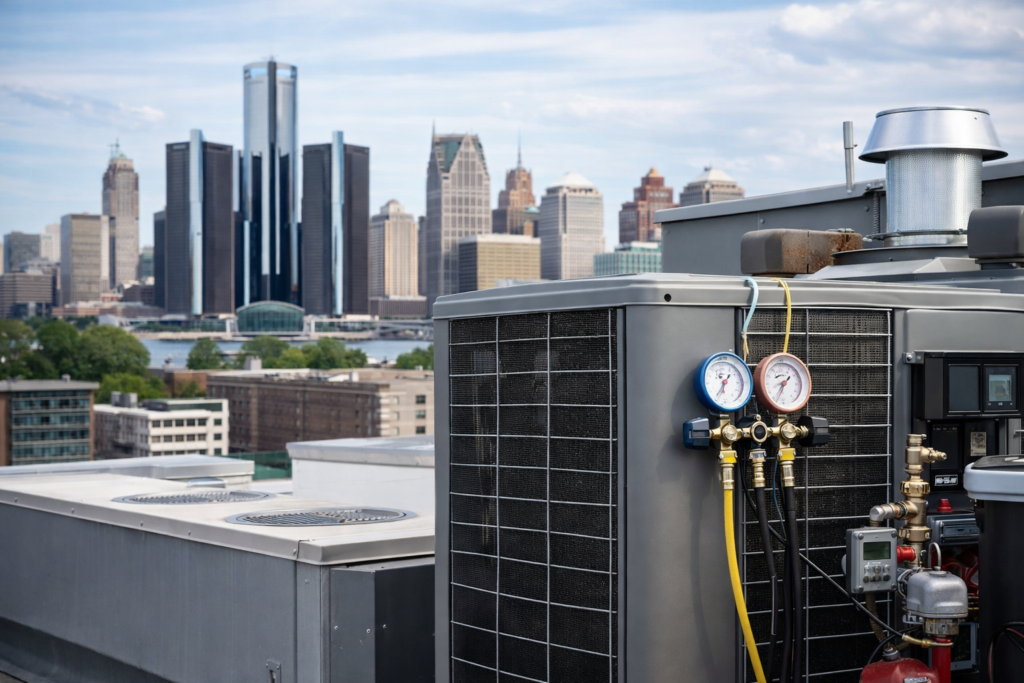
How to Extend the Life of Your Commercial Refrigeration Equipment
Protect Your Investment, Reduce Downtime, and Avoid Costly Repairs
Commercial refrigeration equipment is one of the most important assets in restaurants, grocery stores, convenience stores, healthcare facilities, schools, and food service operations. These systems operate around the clock to protect inventory, maintain food safety standards, and support daily business operations.
Unfortunately, many businesses don’t think about refrigeration maintenance until a breakdown occurs. By that point, equipment failures can result in spoiled inventory, emergency service calls, operational disruptions, and significant repair costs.
The good news is that commercial refrigeration systems can often provide many years of reliable service when properly maintained. Understanding how to care for your equipment can significantly extend its lifespan while reducing operating costs and improving overall reliability.
Why Refrigeration Equipment Fails Before Its Time
Commercial refrigeration systems are built to withstand continuous use, but they are not immune to wear and tear. Over time, components naturally age and efficiency begins to decline.
Many major refrigeration failures can be traced back to preventable issues such as poor maintenance, dirty coils, refrigerant leaks, restricted airflow, and ignored warning signs.
When small problems are allowed to continue unchecked, they place additional strain on critical components like compressors, evaporator coils, fan motors, and electrical systems. Eventually, these minor issues can develop into costly repairs or complete system failures.
The key to maximizing equipment lifespan is identifying and addressing problems before they become major disruptions.
The Average Lifespan of Commercial Refrigeration Equipment
The lifespan of refrigeration equipment depends on usage, operating conditions, maintenance history, and equipment quality.
Most commercial refrigeration systems typically last:
Equipment Type | Average Lifespan |
|---|---|
Walk-In Coolers | 15–20 Years |
Walk-In Freezers | 15–20 Years |
Reach-In Refrigerators | 10–15 Years |
Ice Machines | 10–15 Years |
Prep Tables | 8–12 Years |
Display Cases | 10–15 Years |
Businesses that invest in routine maintenance often extend equipment life well beyond these averages.
Preventive Maintenance Is Your Best Investment
The most effective way to extend the life of commercial refrigeration equipment is through consistent preventive maintenance.
Rather than waiting for problems to appear, preventive maintenance focuses on identifying developing issues early, optimizing performance, and reducing unnecessary wear on the system.
Keep Condenser Coils Clean
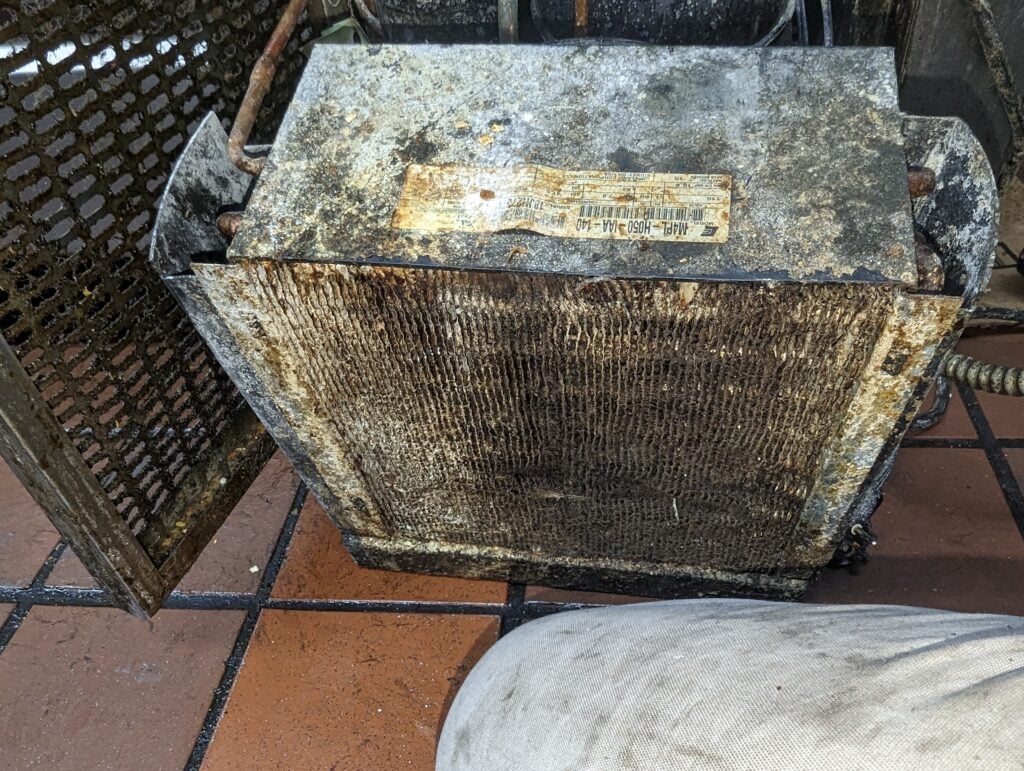
Condenser coils are responsible for releasing heat from the refrigeration system. When they become coated with dirt, grease, dust, or debris, the system must work harder to maintain proper temperatures.
Dirty condenser coils can lead to:
- Higher energy consumption
- Longer equipment run times
- Increased compressor wear
- Reduced cooling performance
- Premature system failure
Routine coil cleaning is one of the simplest and most effective ways to improve efficiency and extend equipment lifespan.
Replace Worn Door Gaskets
Door gaskets play a critical role in maintaining proper temperatures by preventing warm air from entering refrigeration equipment.
When gaskets become damaged or worn, cooling systems must work harder to compensate for temperature loss.
Regular inspections and prompt replacement of damaged door seals help improve efficiency while reducing unnecessary strain on refrigeration components.
Maintain Proper Airflow
Airflow is essential for refrigeration performance.
Blocked vents, overcrowded storage areas, and dirty evaporator coils can restrict airflow throughout the system. Poor airflow often results in inconsistent temperatures, increased energy use, and additional stress on refrigeration equipment.
Maintaining clear airflow paths helps refrigeration systems operate more efficiently and consistently.
Monitor Refrigeration Temperatures
Unexpected temperature fluctuations are often one of the earliest signs of refrigeration problems.
Consistently monitoring temperatures can help identify developing issues before they result in equipment failure or inventory loss.
Changes in temperature may indicate:
- Refrigerant problems
- Airflow restrictions
- Thermostat issues
- Compressor concerns
- Defrost system failures
Identifying these issues early can prevent much larger repair expenses.
Inspect Refrigerant Levels
Refrigerant is essential to the cooling process.
Low refrigerant levels can significantly reduce system efficiency and increase wear on major components. Refrigerant leaks often develop gradually and may go unnoticed until cooling performance begins to decline.
Routine refrigerant inspections help ensure refrigeration systems operate efficiently while protecting compressors and other critical components.
Address Small Problems Before They Become Major Repairs
One of the most common reasons refrigeration equipment fails prematurely is that small warning signs are ignored.
Businesses often continue operating with minor performance issues until a complete breakdown occurs.
Warning Signs to Watch For
Common indicators that refrigeration equipment may need service include:
- Ice buildup on coils
- Water leaks
- Rising utility costs
- Inconsistent temperatures
- Excessive condensation
- Strange noises
- Longer run times
- Poor cooling performance
Addressing these symptoms early often prevents significantly larger repair costs later.
Why Professional Refrigeration Maintenance Matters
While basic inspections can be performed internally, professional refrigeration maintenance provides a much deeper evaluation of system performance.
A comprehensive maintenance visit may include:
- Condenser coil cleaning
- Evaporator inspections
- Refrigerant level checks
- Electrical testing
- Fan motor inspections
- Thermostat calibration
- Drain line cleaning
- System performance evaluations
These inspections help identify developing problems before they result in emergency service calls or equipment failures.
Benefits of Extending Refrigeration Equipment Life
Proper refrigeration maintenance offers benefits far beyond avoiding repairs.
Lower Operating Costs
Efficient equipment consumes less energy and requires fewer repairs over time.
Reduced Downtime
Well-maintained systems are less likely to experience unexpected failures that disrupt business operations.
Improved Food Safety
Consistent temperatures help protect inventory and support regulatory compliance.
Better Equipment Performance
Clean, properly maintained refrigeration systems provide more reliable temperature control.
Greater Return on Investment
Extending equipment lifespan delays costly replacement expenses and maximizes the value of your original investment.
When to Schedule Commercial Refrigeration Service
If your refrigeration equipment is showing signs of declining performance, scheduling service sooner rather than later is often the most cost-effective decision.
Businesses should consider professional service when they notice:
- Temperature fluctuations
- Excessive ice buildup
- Water leaks
- Unusual noises
- Increased utility costs
- Poor cooling performance
- Frequent cycling
- Condensation issues
Early intervention often prevents more serious equipment failures and helps extend system life
Commercial Refrigeration Service in Southeast Michigan
J.F. Jacobs provides professional commercial refrigeration repair, maintenance, and preventive service throughout Southeast Michigan.
We support:
- Restaurants
- Grocery stores
- Supermarkets
- Convenience stores
- Healthcare facilities
- Schools
- Food service operations
- Commercial kitchens
Our team helps businesses maximize equipment lifespan, improve efficiency, and reduce costly downtime through proactive refrigeration maintenance and expert repair services.
Serving:
- Livonia
- Detroit
- Wayne County
- Oakland County
- Macomb County
- Southeast Michigan
When to Call for Commercial Refrigeration Service
Commercial refrigeration equipment is designed to provide years of dependable service, but longevity depends heavily on maintenance and proactive care.
Businesses that invest in routine inspections, address problems early, and maintain their systems properly often experience fewer breakdowns, lower operating costs, and significantly longer equipment life.
When it comes to commercial refrigeration, preventive maintenance remains the most effective strategy for protecting both your equipment and your bottom line.
Refrigeration maintenance isn’t just about preventing breakdowns—it’s about protecting your inventory, maintaining food safety, and keeping your business running without interruption.
By following these best practices and investing in preventive maintenance, restaurants and supermarkets can reduce costs, extend equipment lifespan, and avoid unexpected disruptions.
Contact us today to schedule your commercial HVAC service.