
Ice Machine Problems: How to Troubleshoot and Prevent Breakdowns
Commercial ice machines are one of the most overlooked pieces of equipment in a facility—until something goes wrong. Whether you’re running a restaurant, bar, healthcare facility, or convenience store, consistent ice production is part of daily operations. When that production slows down or stops completely, it quickly becomes a problem that affects service, sanitation, and customer experience.
Most ice machine problems don’t happen suddenly. In many cases, the system has been showing signs of wear or inefficiency for weeks or even months before a full breakdown occurs. Understanding how to recognize those early warning signs—and knowing how to troubleshoot them—can help you avoid downtime and extend the life of your equipment.
Common Ice Machine Problems You Shouldn’t Ignore
Ice machines operate under constant demand, which means small inefficiencies tend to build over time. The challenge is that many of these issues start subtly, making them easy to overlook until they impact production.
One of the most common issues is reduced ice output. If your machine is taking longer to produce ice or not meeting demand, it’s often a sign that something within the system isn’t operating efficiently. This could be related to restricted airflow, mineral buildup, or a component beginning to fail.
Another issue that frequently shows up is poor ice quality. Ice that appears cloudy, soft, misshapen, or carries an unusual taste typically points to problems with water quality, filtration, or internal cleanliness. In commercial environments, this isn’t just a performance issue—it can also raise health and safety concerns.
Leaks, excessive ice buildup, or inconsistent cycles are also signs that something isn’t functioning correctly. These problems are often tied to drainage issues, faulty valves, or temperature inconsistencies within the unit.
Watch for these common warning signs:
Ice production slowing down or stopping
Ice appearing cloudy, soft, or irregular
Water leaking around the machine
Ice forming in unusual areas inside the unit
Machine running longer than normal cycles
Catching these issues early can prevent more serious and expensive failures.
What Causes Commercial Ice Machine Failures
Understanding the root cause of ice machine problems is key to both troubleshooting and prevention. Most breakdowns can be traced back to a handful of underlying issues that develop over time.
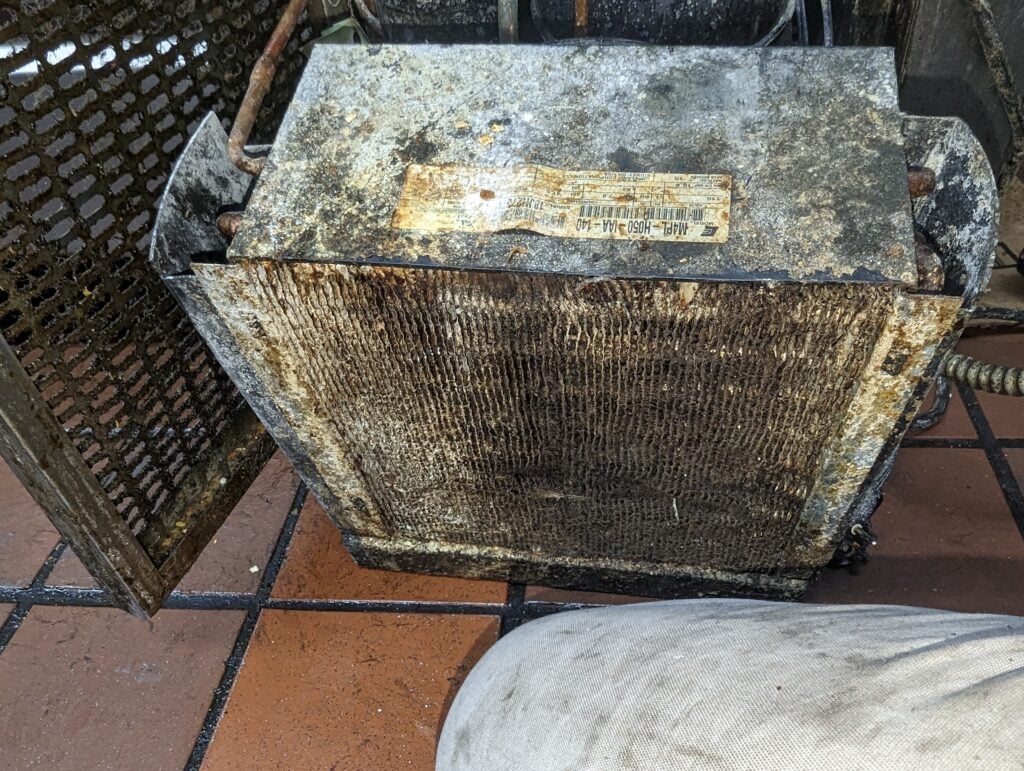
Lack of routine cleaning is one of the biggest contributors. Ice machines are constantly exposed to water, which means minerals like calcium and lime naturally build up inside the system. Over time, this scaling can restrict water flow, reduce efficiency, and damage internal components.
Airflow is another critical factor. Ice machines generate heat during operation, and without proper ventilation, that heat can build up and force the system to work harder. When airflow is restricted—whether due to blocked vents or poor placement—the machine becomes less efficient and more prone to failure.
Water supply issues are also common. Inconsistent pressure, clogged filters, or poor water quality can all impact how the machine operates. Even small disruptions in water flow can affect ice formation and cycle timing.
Electrical and control system issues, while less frequent, can still occur—especially in older machines. Faulty sensors, wiring problems, or control board failures can cause erratic behavior or complete shutdown.
Most breakdowns are caused by:
Mineral and scale buildup
Poor or inconsistent maintenance
Restricted airflow or ventilation
Water supply or filtration issues
Worn or aging components
When these factors are left unaddressed, they gradually reduce performance until the machine can no longer operate effectively.
How to Troubleshoot Ice Machine Problems
When your ice machine starts showing signs of trouble, taking a structured approach to troubleshooting can help determine whether the issue is minor or requires professional service.
Start with the basics. Confirm that the machine is receiving power, the water supply is active, and the unit is turned on and set correctly. While simple, these checks can quickly eliminate common issues.
Next, evaluate airflow around the unit. Make sure vents are clear and that the machine has adequate space to release heat. Overheating can significantly impact performance and slow down production.
If production is low or ice quality has changed, inspect the water filter. A clogged or outdated filter can restrict water flow and introduce impurities that affect both output and quality.
Drainage should also be checked. Blocked or slow drains can lead to standing water, leaks, or ice buildup inside the machine, all of which interfere with normal operation.
Basic troubleshooting steps include:
Check power supply and machine settings
Verify water flow and filter condition
Inspect airflow and ventilation clearance
Examine drain lines for clogs or backups
Look for visible scale buildup or debris
If these steps don’t resolve the issue, it’s likely that internal components require inspection or repair.
Repair vs. Replace: When Does It Make Sense?
At a certain point, continuing to repair an aging HVAC system stops being cost-effective. The decision to repair or replace typically comes down to a combination of age, performance, and long-term cost.
If your system is approaching the upper end of its expected lifespan and requires frequent repairs, replacement is often the better investment. New systems offer improved energy efficiency, better performance, and reduced maintenance costs.
On the other hand, if the system is relatively newer and the issue is isolated, a repair may still make sense. The key is evaluating the total cost of ownership—not just the immediate repair cost.
Many facility managers use a simple rule: if a repair costs a significant percentage of the system’s remaining value, it’s time to start planning for replacement.
How to Prevent Ice Machine Breakdowns
Preventive maintenance is the most effective way to avoid unexpected ice machine failures. Because these systems run continuously, even small issues can escalate quickly if they aren’t addressed early.
Routine cleaning is one of the most important steps. Removing scale buildup and sanitizing internal components helps maintain both efficiency and ice quality. This is especially important in environments where cleanliness directly impacts customers or patients.
Water filtration should be maintained consistently. Clean filters not only improve ice quality but also protect internal components from mineral damage and buildup.
Proper ventilation is another key factor. Ensuring that the machine has adequate space and airflow helps prevent overheating and reduces strain on the system.
Working with a professional service provider for scheduled maintenance adds another layer of protection. Regular inspections can identify worn components, performance issues, and inefficiencies before they lead to breakdowns.
Best practices for prevention:
Schedule regular cleaning and descaling
Replace water filters consistently
Maintain proper airflow around the unit
Monitor performance for early warning signs
Schedule professional maintenance inspections
Taking a proactive approach significantly reduces the risk of downtime and extends the lifespan of the machine.
When to Repair vs. Replace an Ice Machine
Over time, every ice machine reaches a point where repairs become less practical. The key is recognizing when continued repairs are costing more than replacing the unit.
If your machine is experiencing frequent breakdowns, struggling to meet demand, or requiring ongoing repairs, it may be approaching the end of its useful life. Rising maintenance costs and declining performance are strong indicators that replacement should be considered.
On the other hand, if the issue is isolated and the machine is still relatively new, repair is often the better option. Evaluating both the immediate cost and long-term reliability helps determine the best path forward.
Commercial HVAC Services in Livonia & Southeast Michigan
At JF Jacobs, we work with commercial clients throughout Livonia, Detroit, and Southeast Michigan to maintain, repair, and replace HVAC systems across a wide range of industries. Whether your system is nearing the end of its lifespan or you’re looking to improve performance and efficiency, our team provides practical recommendations based on real-world system conditions.
Maintaining Reliable Ice Production
A properly maintained commercial ice machine should operate consistently, produce high-quality ice, and meet the demands of your facility without constant issues. When problems arise, they’re often the result of small issues that have been building over time.
By staying proactive with maintenance, monitoring performance, and addressing problems early, businesses can avoid unexpected disruptions and keep operations running smoothly.
Contact us today to schedule your commercial HVAC service.