
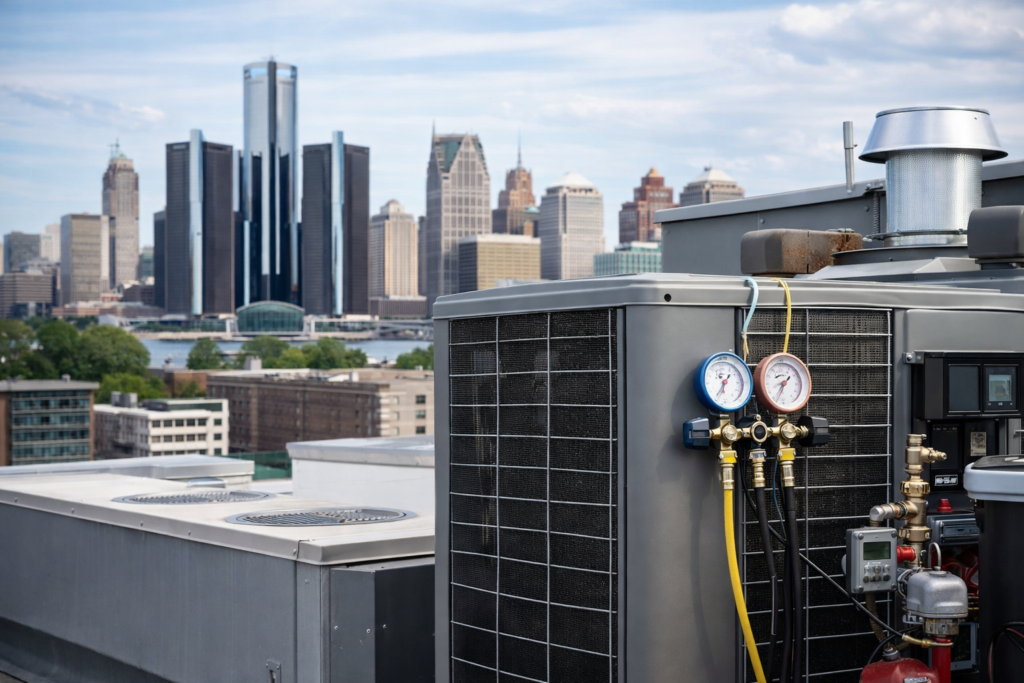
Will Insurance Pay for a New Commercial HVAC System?
Understanding What Is—and Isn’t—Typically Covered
A commercial HVAC system is one of the most important and expensive pieces of equipment in any building. Whether you’re managing an office complex, manufacturing facility, retail store, healthcare property, school, or warehouse, your heating and cooling system plays a critical role in daily operations.
When a major HVAC component fails unexpectedly, one of the first questions many business owners and facility managers ask is:
“Will insurance pay for a new HVAC system?”
The answer depends on what caused the damage, the type of insurance coverage you carry, and whether the issue resulted from a covered event or normal wear and tear.
Understanding how commercial insurance policies typically handle HVAC claims can help businesses make informed decisions, avoid surprises, and better prepare for future equipment replacement costs.
The Short Answer
In some situations, commercial insurance may help cover HVAC replacement costs.
However, insurance generally does not pay to replace HVAC equipment that fails due to age, normal wear and tear, lack of maintenance, or gradual deterioration.
Most commercial property insurance policies are designed to cover sudden and unexpected events—not equipment that simply reaches the end of its lifespan.
As a result, whether your HVAC replacement is covered often depends on the cause of the damage rather than the age of the equipment itself.
When Commercial Insurance May Cover HVAC Replacement
Insurance companies are more likely to cover HVAC replacement when the damage is caused by a sudden event that falls within the terms of the policy.
Examples may include:
- Fire damage
- Lightning strikes
- Severe wind damage
- Hail damage
- Vandalism
- Certain types of storm-related damage
- Falling objects
- Vehicle impacts
- Covered electrical events
For example, if a severe storm damages a rooftop HVAC unit beyond repair, your commercial property insurance policy may help pay for repair or replacement costs.
Similarly, if a lightning strike damages critical electrical components and the system cannot be repaired economically, replacement may be covered under certain policies.
Every insurance policy is different, which is why it’s important to review coverage details with your insurance provider.
When Insurance Typically Does Not Cover HVAC Replacement
Many business owners assume insurance will cover any HVAC failure. In reality, most claims are denied because the issue resulted from conditions that insurance companies consider preventable or expected.
Commercial insurance policies typically do not cover:
- Normal equipment aging
- Wear and tear
- Lack of maintenance
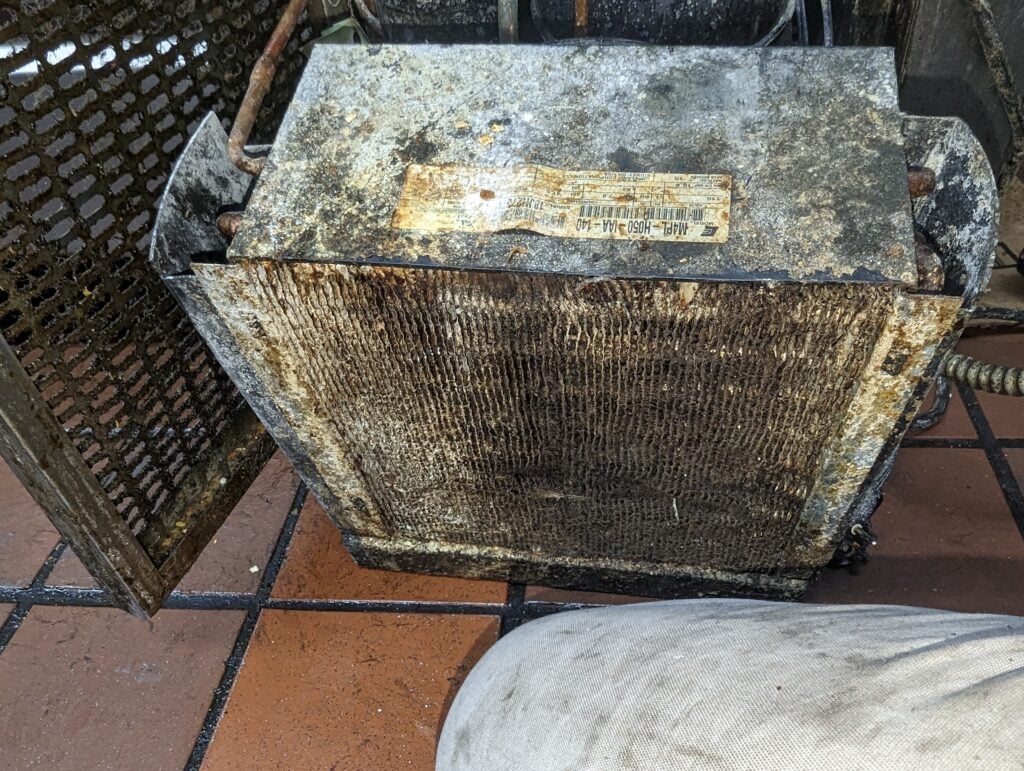
- Corrosion
- Rust
- Gradual deterioration
- Mechanical breakdown due to age
- Deferred repairs
For example, if a 20-year-old rooftop unit fails because the compressor finally wears out, insurance will likely view that as the natural end of the equipment’s useful life.
In that situation, replacement costs generally become the responsibility of the property owner.
How Equipment Age Affects Coverage
The age of the HVAC system can significantly impact an insurance claim.
Even if damage is caused by a covered event, insurance companies may consider factors such as:
- Equipment age
- Existing condition
- Maintenance history
- Remaining useful life
- Prior repairs
Older systems often receive additional scrutiny because insurers may determine that part of the failure resulted from pre-existing wear and tear.
Keeping maintenance records and documenting system condition can help support a claim if covered damage occurs.
The Importance of Preventive Maintenance
One of the biggest factors influencing HVAC reliability—and potentially insurance claims—is maintenance.
Insurance providers generally expect commercial property owners to maintain building systems in a reasonable manner.
Routine HVAC maintenance helps:
- Extend equipment lifespan
- Improve efficiency
- Reduce emergency breakdowns
- Document system condition
- Identify developing issues early
- Protect equipment warranties
In some situations, maintenance records may help demonstrate that a system was properly cared for before a covered event occurred.
What Is Equipment Breakdown Coverage?
Many commercial property owners are unaware that standard property insurance and equipment breakdown coverage are often separate.
Equipment breakdown coverage is an optional endorsement that may provide protection for certain mechanical and electrical failures.
Depending on the policy, equipment breakdown coverage may help cover:
- Electrical failures
- Motor burnout
- Mechanical breakdowns
- Control system failures
- Power surge damage
- Compressor failures caused by covered breakdown events
This type of coverage can sometimes bridge gaps that traditional property insurance does not cover.
Business owners should speak with their insurance provider to determine whether equipment breakdown coverage is included in their policy.
Should You Repair or Replace Your HVAC System?
Even when insurance is involved, the decision often comes down to whether repair or replacement offers the best long-term value.
Several factors influence that decision:
System Age
Older HVAC systems often become less efficient and more prone to breakdowns.
Repair Costs
Frequent repairs can quickly add up and may exceed the value of continued maintenance.
Energy Efficiency
Modern HVAC systems are significantly more efficient than equipment installed 15 to 20 years ago.
Equipment Availability
Replacement parts for older systems can become difficult or expensive to obtain.
Operational Reliability
Businesses often prioritize reliability over continually investing in aging equipment.
A professional HVAC evaluation can help determine the most cost-effective path forward.
Signs Your Commercial HVAC System May Be Nearing Replacement
Many HVAC systems provide warning signs before complete failure occurs.
Common indicators include:
- Rising utility costs
- Frequent repairs
- Uneven temperatures
- Poor airflow
- Excessive noise
- Difficulty maintaining comfort
- Aging equipment
- Increased downtime
- Refrigerant issues
Recognizing these warning signs early allows businesses to plan for replacement before an emergency occurs.
How Long Does a Commercial HVAC System Typically Last?
While lifespan varies depending on maintenance and operating conditions, most commercial HVAC systems generally last:
Equipment Type | Typical Lifespan |
|---|---|
Rooftop Units (RTUs) | 15–20 Years |
Commercial Split Systems | 15–20 Years |
Boilers | 20–30 Years |
Chillers | 20–25 Years |
Air Handlers | 15–25 Years |
The Financial Benefits of Upgrading an Older HVAC System
Replacing an aging HVAC system isn’t always a negative outcome.
Many businesses discover that newer systems provide meaningful operational benefits.
Potential advantages include:
- Lower energy costs
- Improved indoor comfort
- Better temperature control
- Reduced maintenance expenses
- Improved reliability
- Enhanced building performance
- Longer equipment warranties
Over time, energy savings alone can offset a significant portion of replacement costs.
How J.F. Jacobs Helps Businesses Evaluate HVAC Replacement Decisions
At J.F. Jacobs, we work with facility managers, property owners, and business operators throughout Southeast Michigan to evaluate aging HVAC systems and determine the most practical path forward.
Our team can help assess:
- Equipment condition
- Remaining useful life
- Repair history
- Efficiency performance
- Replacement options
- Preventive maintenance strategies
Rather than automatically recommending replacement, we focus on helping businesses make informed decisions based on long-term value and operational needs.
.
Commercial HVAC Services in Southeast Michigan
J.F. Jacobs provides commercial HVAC repair, installation, replacement, preventive maintenance, refrigeration services, and boiler support throughout Southeast Michigan.
We work with:
- Office buildings
- Manufacturing facilities
- Healthcare facilities
- Schools and universities
- Restaurants
- Retail centers
- Warehouses
- Property management companies
- Multi-tenant commercial properties
Serving:
- Livonia
- Detroit
- Wayne County
- Oakland County
- Macomb County
- Southeast Michigan
Will insurance pay for a new commercial HVAC system?
Sometimes—but only under specific circumstances.
Most commercial insurance policies may help cover HVAC replacement when damage results from a sudden covered event such as fire, lightning, hail, or storm damage. However, insurance typically does not cover equipment that fails due to age, wear and tear, deferred maintenance, or gradual deterioration.
The best way to protect your investment is through proactive maintenance, routine inspections, and long-term planning.
If you’re unsure whether your HVAC system should be repaired or replaced, a professional evaluation can help you understand your options and make the best decision for your facility.
.